
Proposals that confirm, not discover
Proposals built on what was already agreed in the sales conversation, so they get signed instead of reopening the whole project.
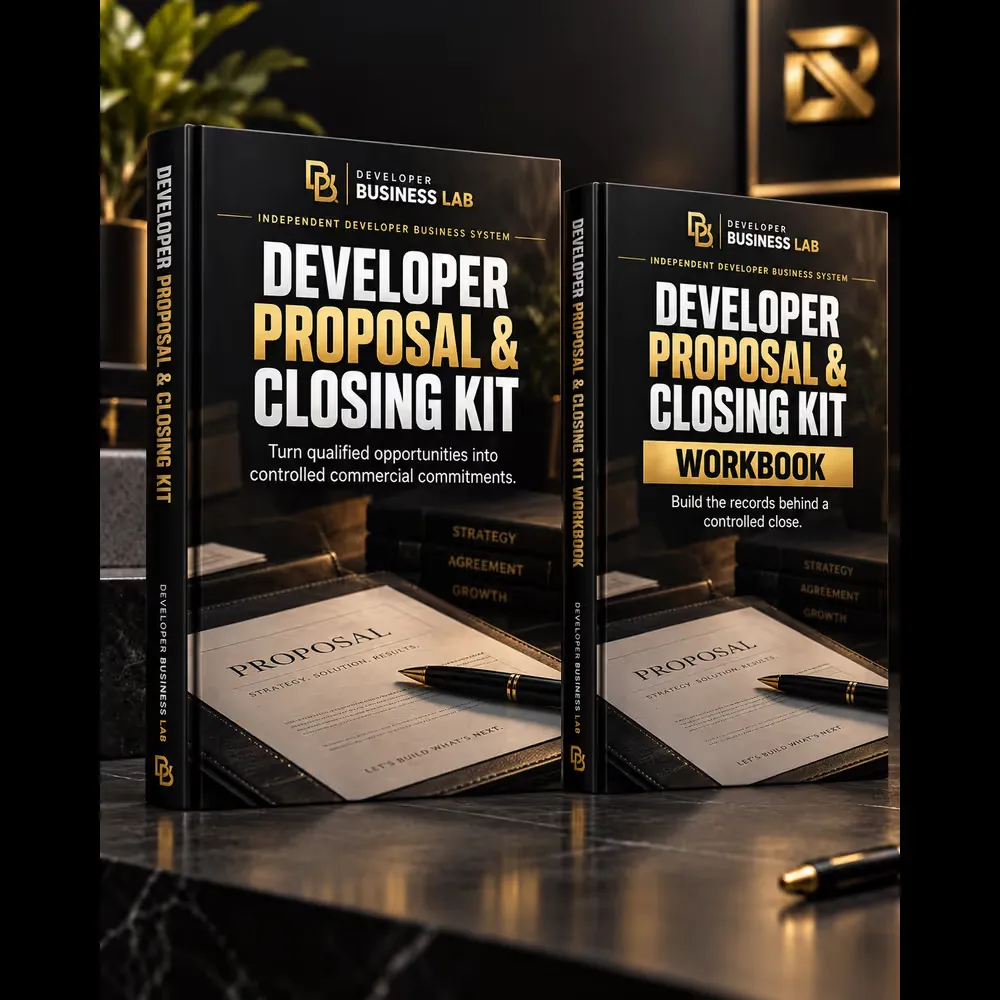
Developer Proposal & Closing Kit
Turn a ready opportunity into a signed agreement, a paid deposit, and a clean project start. Write proposals that confirm the deal instead of reopening it, handle negotiation without slashing your price, and start every project with scope and payment locked in.
$49.00
one-time
A guide, fill-in workbooks, and templates you use on real deals.
Covered by Developer Business Lab's 14-Day Satisfaction Guarantee.
You sent the proposal and the questions started. Could you add this feature? What if the design went a different way? Could you break the price down line by line? Three revisions later, you've done a week of free consulting and the client still hasn't signed.
Or they signed, but asked for a discount first, and you gave it without changing anything else. Or you started work before the deposit cleared, because you didn't want to seem difficult.
Each of those moments costs you money. None of them is about your development skills.
You've sent a proposal for $5,500: a new website, a blog, and an online booking integration. The client replies: “We love it. Can you do it for $4,000?”
The usual response
You don't want to lose the deal, so you say yes. Same scope, same timeline, $1,500 less. You've just agreed to do the same work at a much lower rate, and the client has learned your prices are negotiable.
The same request, handled as a business decision
You reply: “I can get to $4,000 by launching the core website first and moving the blog and booking integration to a second phase. Or we can keep everything at $5,500 and spread the payments over three milestones instead of two. Which works better for you?”
The client picks the second option. You keep your full price, the project is still fully scoped, and the client got a real choice instead of a discount.
When price changes, something else changes with it. That one rule protects more margin than almost anything else in freelancing.
Illustrative example.
Agencies treat the close as a process. By the time a proposal goes out, the scope and price have already been discussed. They trade scope rather than cutting price, put every change in writing, and don't start work until the agreement is signed and the deposit has cleared.
That isn't rigid. It's professional, and clients expect it. The Proposal & Closing Kit gives a one-person business that same process, so the deal you agreed to is the deal you actually deliver and get paid for.
Proposals built on what was already agreed in the sales conversation, so they get signed instead of reopening the whole project.
Scope, assumptions, responsibilities, price, payment terms, and timeline, assembled so nothing important is left vague.
How to handle client feedback on the proposal without it turning into unpaid redesign.
How to respond to price pushback by trading scope, timing, or terms instead of just cutting your price.
Calm, honest responses to the concerns that stall deals, without pressure tactics.
How to record anything that changes during closing, so the final agreement matches what everyone understood.
How to get the agreement signed and the deposit paid before any work begins.
A handoff that carries everything agreed during the sale into delivery, so the project starts organized and stays on scope.
Proposals get signed instead of revised endlessly.
You stop discounting out of fear and start offering real options.
You never start work before the deposit clears.
The project you deliver matches the deal you agreed to.
Late payments and scope disputes become rare, because everything was clear from the start.
And closing a deal starts to feel professional instead of awkward.
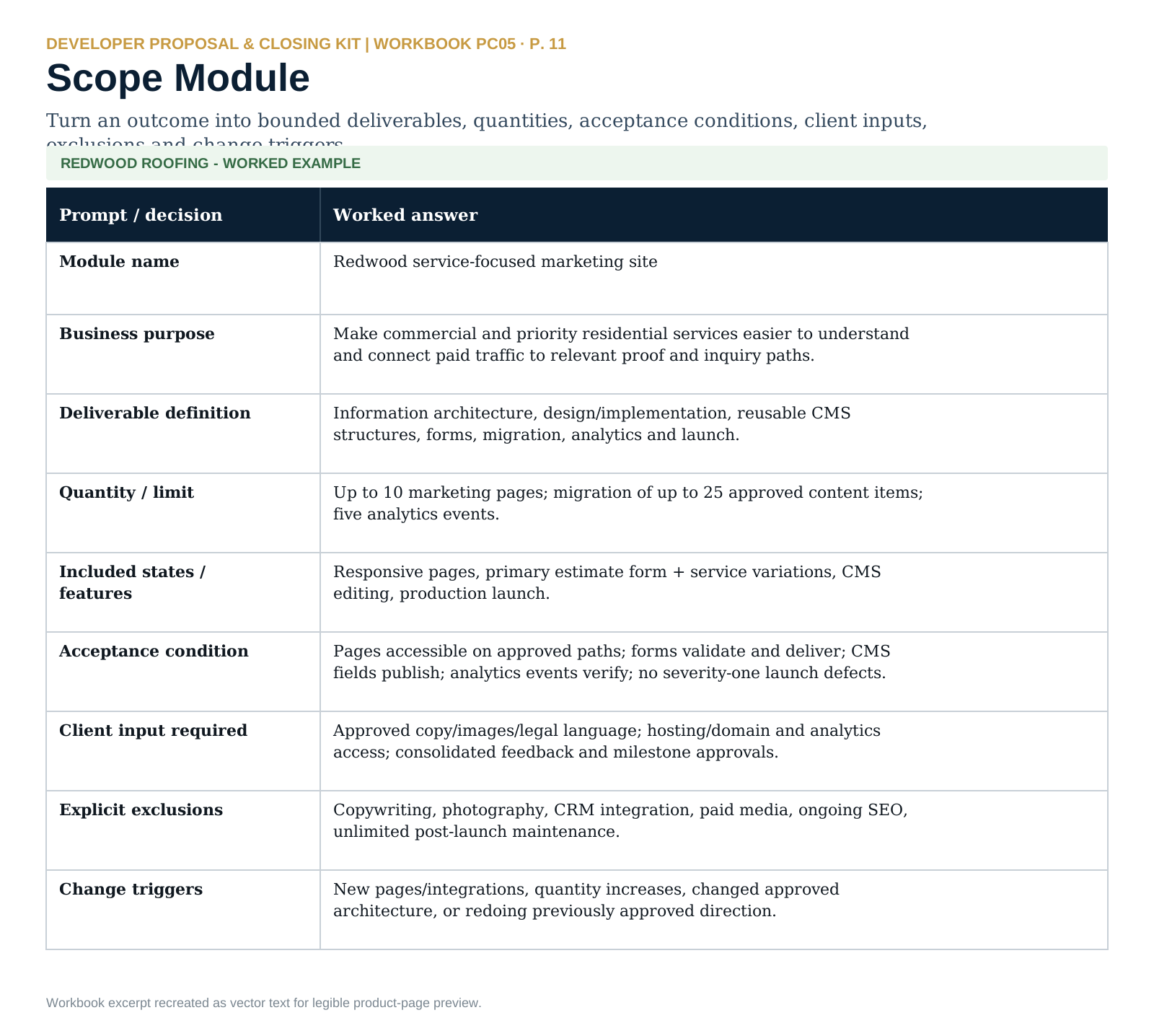
Workbook PC05 · Scope Module
The worked scope record turns a broad project into explicit deliverables, quantities, acceptance conditions, client inputs, exclusions, and change triggers before those details can drift during proposal review.
Open full-size preview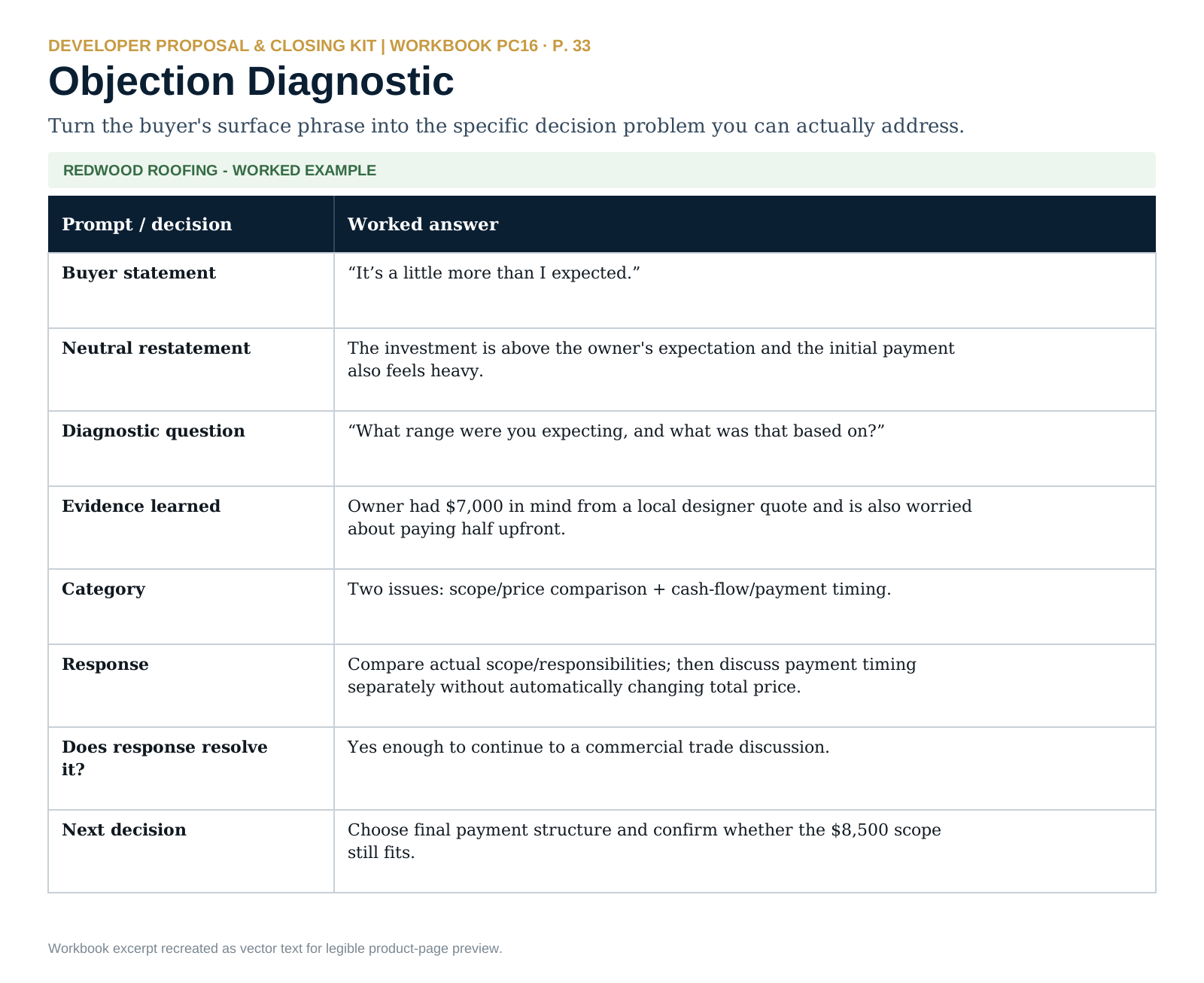
Workbook PC16 · Objection Diagnostic
A price objection is diagnosed before the deal changes. The worksheet separates scope and price comparison from cash-flow concerns so the response can address the real issue without automatically discounting the total price.
Open full-size preview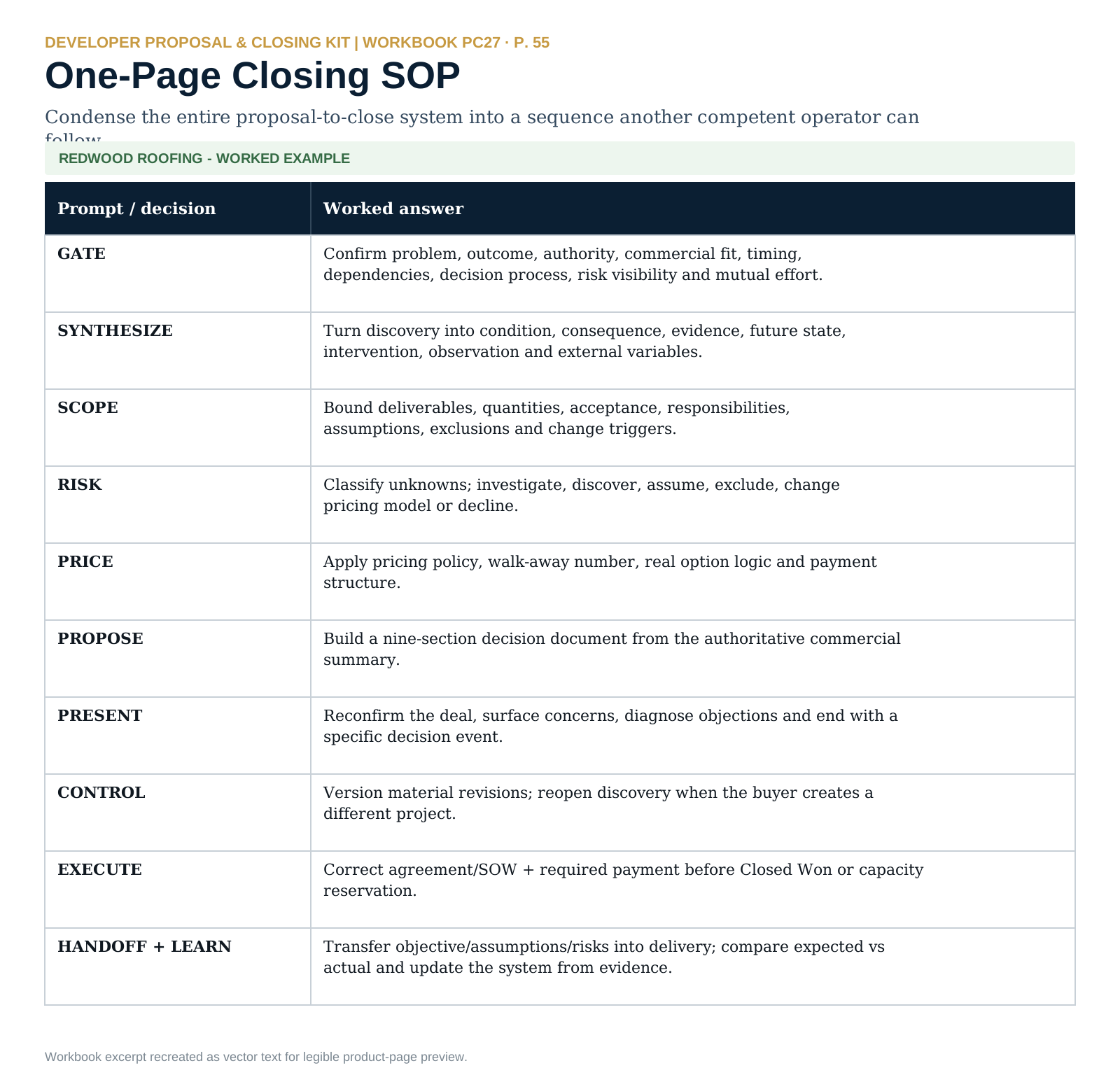
Workbook PC27 · One-Page Closing SOP
The closing SOP condenses the full proposal-to-close process into one operating sequence, including proposal construction, objection handling, revision control, required payment, Start-Ready conditions, and delivery handoff.
Open full-size previewYou'll use these on every deal you close, from proposal to kickoff.
Using the Developer Sales Playbook? The Sales Playbook gets an opportunity ready for a proposal. This kit takes it from there to a signed, paid project. Together they're part of the Freelancer Sales System bundle. See the Developer Sales Playbook.
Already have the Launch Kit? It covers closing at a foundational level. This goes much deeper, for when your business review shows deals are stalling or losing money at the finish line. See the Launch Kit.
Still unsure about your prices? Pair this with the Web Developer Pricing System, so the price in your proposal is one you can confidently defend.
One unnecessary discount can cost you more than this kit many times over. So can one proposal that turns into weeks of free consulting, or one project that starts before the deposit and never gets fully paid. If this prevents even one of those, it has paid for itself.
$49.00, one-time
It includes 12 matched implementation records, a persistent Final Commercial Record, worked Redwood Roofing examples, and the material you use to assemble a One-Page Closing SOP. It is not a generic plug-and-play proposal template pack. More importantly, it teaches you what belongs in a proposal and why, so you can adapt it to any deal.
That's covered in detail. You'll learn how to respond by adjusting scope, timing, or payment terms instead of simply cutting your price.
Good clients expect it. A clear deposit and payment schedule is a sign of a professional business, and it protects both of you.
No. It covers the commercial side of closing: proposals, agreements, negotiation, payment terms, and keeping the current deal state consistent. It does not include contract templates or legal advice. For contract language, legal effect, IP treatment, procurement terms, or questions specific to your location, consult a qualified professional.
Use the system on one qualified opportunity rather than treating it like a course you must finish first. The kit includes a 108-page guide with 12 chapters and an 83-page fillable workbook with 12 matched implementation records. Complete each record when the guide calls for it so the same commercial decisions carry forward from proposal readiness through agreement, payment, and project start.
Eligible purchases are covered by Developer Business Lab's 14-Day Satisfaction Guarantee. After reviewing the product, if you decide it isn't useful for your business, you may request a refund within 14 days of purchase.
Get every project signed, paid, and started right, at the price it deserves.
$49.00, one-time