
Discovery that finds the real problem
Questions that uncover what's actually driving the project and what it's costing the client to leave it unsolved.
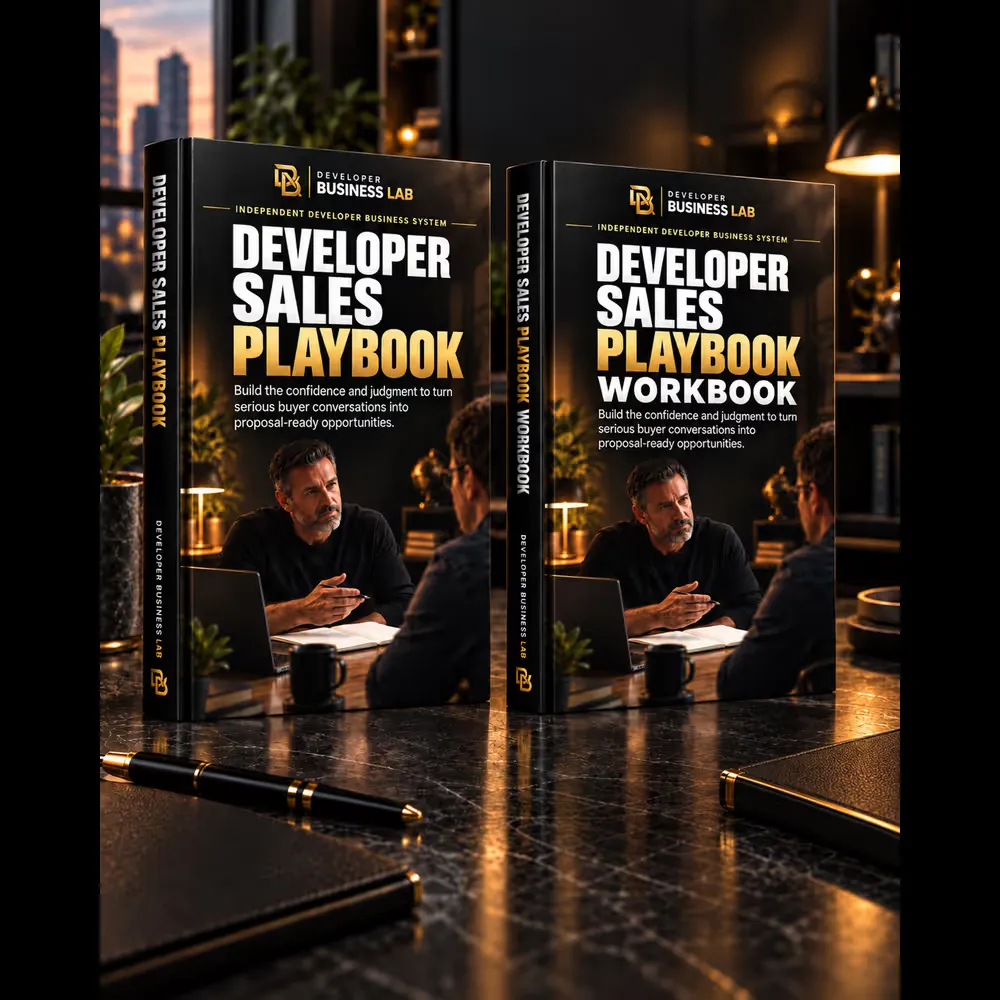
Developer Sales Playbook
Turn good sales conversations into clear decisions. Learn what to ask, what to listen for, and how to end every serious call knowing exactly where the opportunity stands, without scripts, pressure, or pretending to be a salesman.
$99.00
one-time
A guide and fill-in workbooks you use before, during, and after real sales calls.
Covered by Developer Business Lab's 14-Day Satisfaction Guarantee.
The prospect was friendly. They liked your ideas. You talked through how you'd build it, and they seemed excited. You said you'd send a proposal.
You spent an evening writing it. They said they'd “take a look.” Then nothing.
It wasn't the proposal, and it wasn't you. Somewhere in that call, the important questions never got asked: who actually makes the decision, what happens if they do nothing, what they expect to spend, and what needs to happen next. Without those answers, the deal was never as real as it felt.
A business owner reaches out about rebuilding his company's website.
The usual call
You ask what he wants, share ideas for the design and features, explain your process, and answer his questions. It's a great conversation. You close with “I'll put together a proposal.”
Four hours of proposal writing later, he goes quiet. Weeks later you find out his business partner had to approve any spending, the budget was half your price, and the project wasn't urgent anyway.
The same call, run as a decision process
You ask the same friendly questions, plus a few more:
You learn that his partner has to sign off, the budget is lower than a full rebuild, and a trade show in three months makes the timeline real. So instead of promising a proposal, you suggest a smaller first phase that fits the budget and the deadline, and you schedule a follow-up call that includes his partner.
No wasted proposal. No ghosting. A clear next step both of you agreed to.
Illustrative example.
Successful agencies qualify opportunities before they invest time in proposals. They confirm the problem, the budget, the decision-makers, and the timeline, and they agree on a next step before the call ends. Unqualified leads get more discovery, a smaller offer, or a polite no.
That's not pushy selling. It's making good decisions about where to spend time. The Developer Sales Playbook brings that same discipline to a one-person business.
Questions that uncover what's actually driving the project and what it's costing the client to leave it unsolved.
How to tell whether the client, the project, and your offer are genuinely a good match.
Who makes the decision, who influences it, and how the client actually buys.
How to talk about money naturally, so price surprises don't kill a deal at the end.
What to do when important details are still unknown, including when to propose paid discovery instead of guessing.
How to end each conversation with an agreed next move, not a vague "let's stay in touch."
Whether an opportunity is ready for a proposal, needs more discovery, should be reshaped, can wait, belongs with someone else, or should be declined.
Fewer prospects go silent after a great call.
You stop spending evenings on proposals that were never going to close.
You talk about budget early and calmly, instead of dreading it.
You know who decides and what they care about before you ever quote.
And selling stops feeling like pushing, because you're simply helping the client make a clear decision.
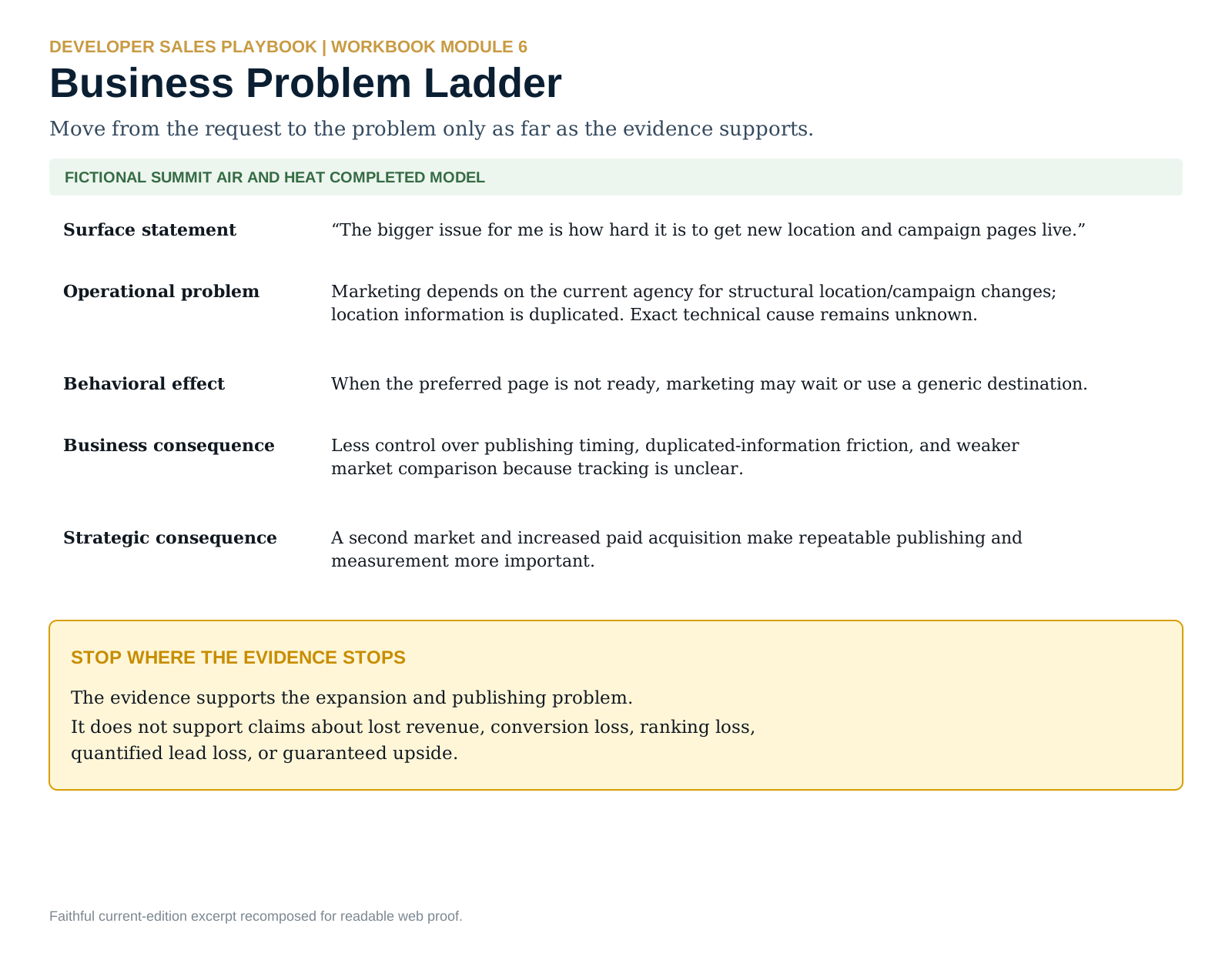
Workbook Module 6 · Business Problem Ladder
This is how you avoid solving the requested solution instead of the real problem. The ladder traces what the evidence actually supports and stops before Alex invents lost revenue, conversion problems, rankings, or lead volume simply to make the project sound more valuable.
Open full-size preview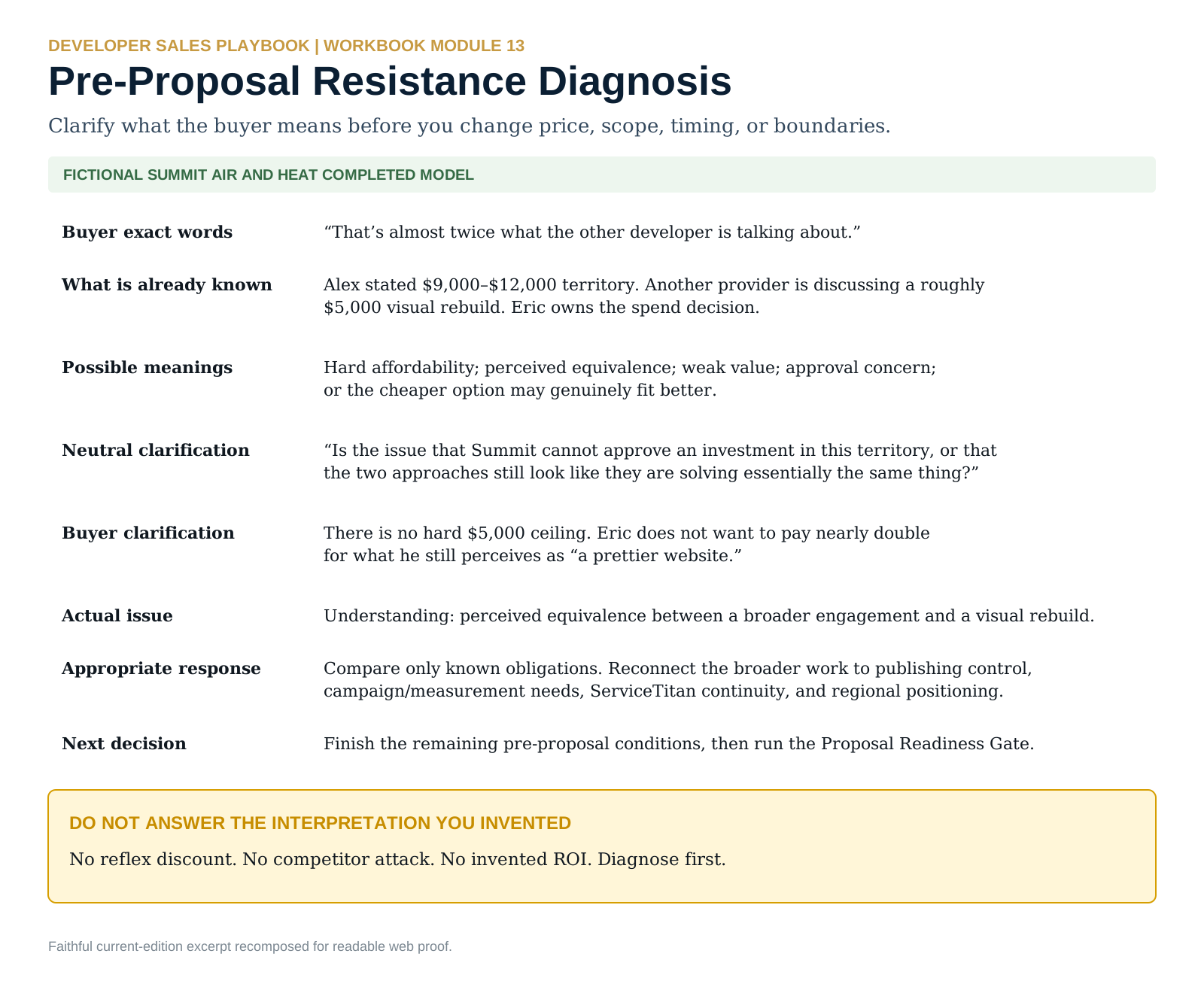
Workbook Module 13 · Pre-Proposal Resistance Diagnosis
"That's almost twice what the other developer is talking about" does not automatically mean discount. The seller clarifies what the comparison actually means first, then responds to the real issue instead of defending the price, attacking the competitor, or changing the deal too early.
Open full-size preview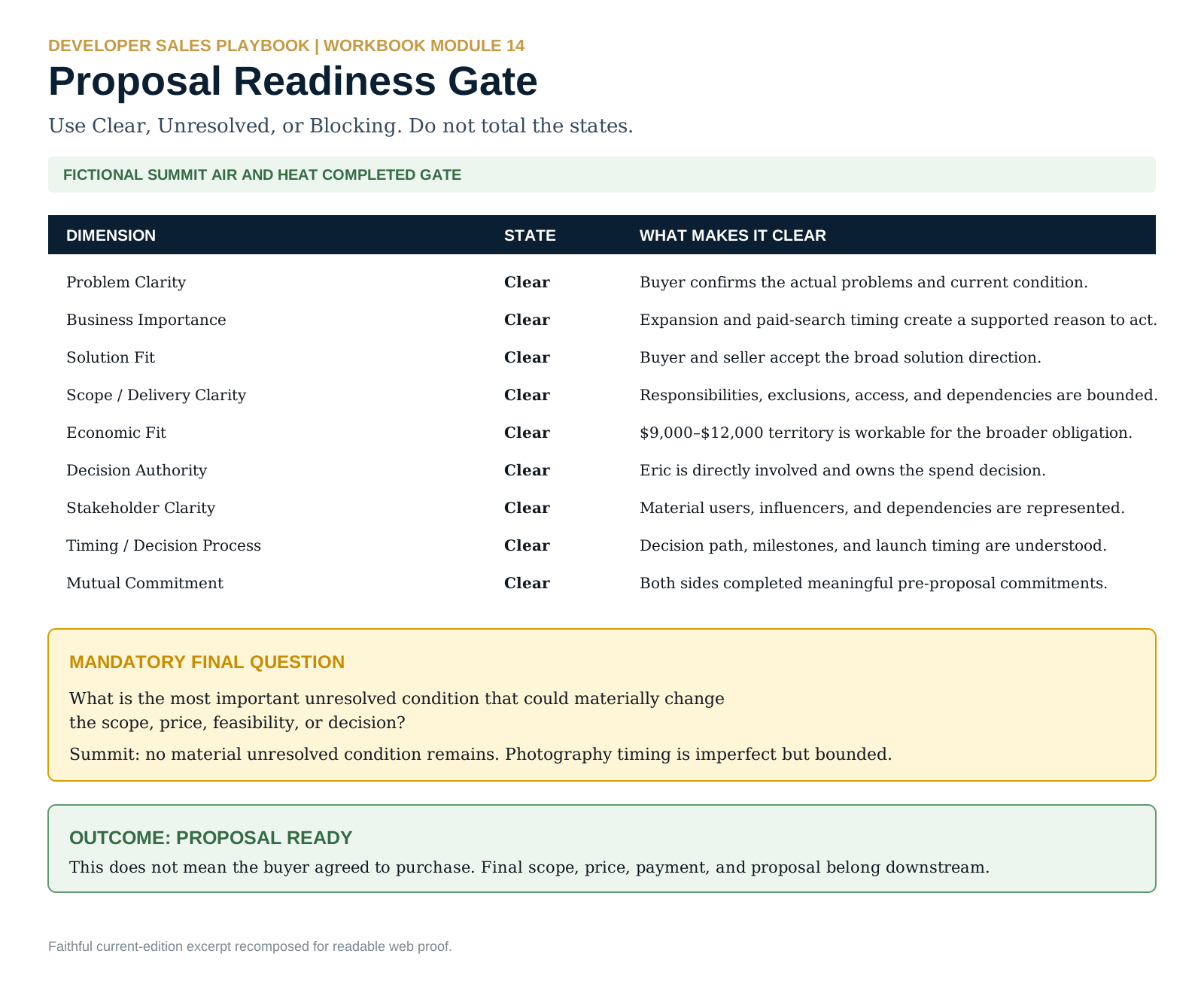
Workbook Module 14 · Proposal Readiness Gate
This is the point where the system tells you whether proposal work has been earned. Nine conditions are evaluated as Clear, Unresolved, or Blocking, followed by one final question about anything that could still materially change scope, price, feasibility, or the buyer's decision.
Open full-size previewYou'll use these on every serious sales conversation, before and after the call.
Ready for the proposal stage? The Sales Playbook ends when an opportunity is ready for a proposal. The Developer Proposal & Closing Kit takes it from there to a signed, paid project. Together they're part of the Freelancer Sales System bundle.
Already have the Launch Kit? It covers sales at a foundational level. This goes much deeper, for when your business review shows good conversations aren't turning into deals.
Not getting enough calls? Start with Client Acquisition Without Upwork. The Sales Playbook helps once real conversations are happening.
Every proposal written for a deal that was never going to close costs you hours. Every lost deal that should have closed costs you a project. If this helps you close one more good project, or skip a handful of dead-end proposals, it has paid for itself many times over.
$99.00, one-time
Yes. It's written for developers who hate pushy selling. There are no scripts or closing tricks. It's a clear process for understanding the client's situation and deciding together what should happen next.
Good clients expect it. Asked naturally and early, it saves both of you from wasting time on a project that was never going to fit.
No. The Sales Playbook ends when an opportunity is ready for a proposal. The Developer Proposal & Closing Kit covers the proposal, negotiation, and getting the project signed and paid.
When calls are scarce, each one matters more. Turning even one of them into a project, instead of a disappearing lead, makes a real difference.
Start with your next serious opportunity rather than waiting to finish the entire product first. The system is a 353-page guide with 15 chapters and a 195-page workbook with 15 matching modules. Read the relevant chapter, complete the matching workbook module when it is called out, and carry the same evidence forward through the opportunity.
Eligible purchases are covered by Developer Business Lab's 14-Day Satisfaction Guarantee. After reviewing the product, if you decide it isn't useful for your business, you may request a refund within 14 days of purchase.
Stop losing good opportunities to silence. Know where every deal stands before you hang up.
$99.00, one-time